Frequently asked questions
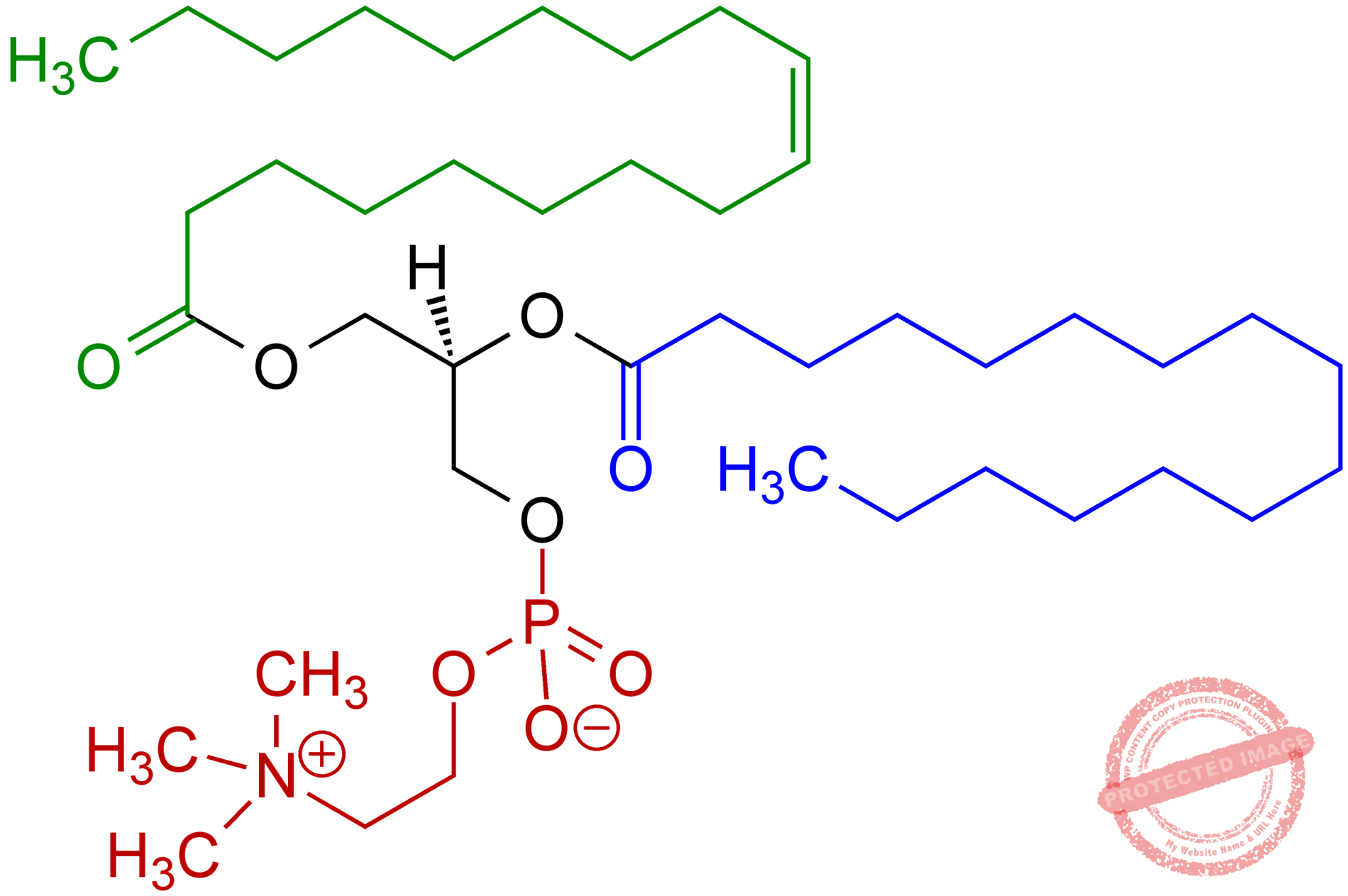
What is Phosphatidylcholine (PPC)?
Phosphatidylcholine is the principal structure of all human cell walls. It is an amphoteric molecule, which means that it has both hydrophilic (water-loving), as well as hydrophobic (water-repellent) properties. These properties contribute to the selective permeability of the cell wall – allowing some substances to pass, but also retaining some substances within the cells, such as water, to protect their health and integrity.
What is Deoxycholate (DOC)?
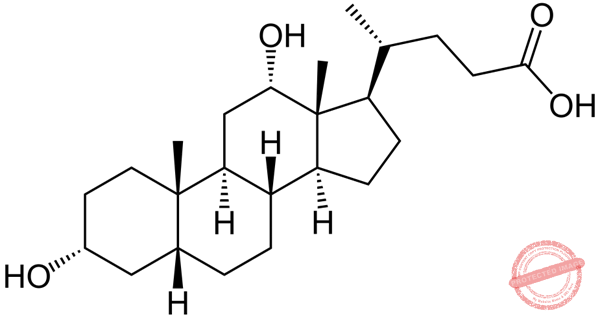
Deoxycholate is a bile salt. When this bile salt is injected into fat cells, it causes fat cell walls to rupture and release fatty acids. This bile salt binds to the free fatty acids to form micelles, which are water-soluble. They are transported via the blood to the liver. The mitochondria in the liver oxidize the free fatty acids to produce energy and the byproducts, water, and carbon dioxide (CO2). End products are transported to the intestines and excreted.
Why is PPC combined with DOC?
Deoxycholate has an active lipolytic effect and, when injected into fat cells on its own, may localise in certain areas, due to precipitation and cause a greater lipolytic effect in certain areas, compared to others. This can lead to vacuolisation – areas losing more fat cells than others – which can lead to irregularities.
When Phosphatidylcholine is combined with Deoxycholate, Phosphatidylcholine maintains Deoxycholate in solution and prevents precipitation. This ensures a distributed necrolytic effect of fat cells, with overlying collagen fibers remaining intact.
Research has also proven that a combination treatment involving Phosphatidylcholine and Deoxycholate leads to a marked reduction in inflammation with less swelling and discomfort.
Why is the Liposolution PPC-DOC regarded as an effective and safe solution?
The Phosphatidylcholine in the Liposolution formula is extracted only from high quality Soy-Lecithin. The concentration of Phosphatidylcholine is high and the ratio of Phosphatidylcholine to Deoxycholate ensures that the active Deoxycholate remains in solution to prevent precipitation and vacuolisation when injected. The product is manufactured and regularly tested to ensure that Lyso-PC-levels, (a by-product of the manufacturing process), are maintained at levels below 1%.
What are the contra-indications for localised injections of adipose tissue (fat)?
Obesity – a BMI above 26
Acute infections
Poorly regulated Diabetes mellitus
Heart, Kidney, or Liver disease or failure
Certain Auto-immune diseases – consult your medical practitioner
Anti-coagulation therapy (Blood-thinning medication)
Poorly perfused skin following surgery
Allergies to any ingredient of the injectable solution
What does an Injection-Lipolysis treatment entail?
Your medical practitioner will first provide you with comprehensive information about the active ingredient during a personal consultation. Injection-Lipolysis is recommended for people of normal weight with areas of stubborn fat pockets. It is not suitable for severely overweight patients and other measures should be considered.
During the treatment, the active substance is injected directly into fat pockets with fine needles. This active ingredient dissolves fat cells. The body transports the released fat to the lymphatic system and the liver. This is an amplification of natural processes that take place in the body every day.
The treatment is performed at your practitioner’s clinic. Depending on the treatment area, the treatment time is 30-45 minutes. Shortly after your Injection-Lipolysis session, you will notice a localised reaction in the form of redness and swelling. A burning sensation, moderate pain, and tenderness may be experienced. These symptoms subside after a few days. Your practitioner will advise you on pain relief measures.
As a result of the treatment, fat pockets are usually visibly reduced within 4-8 weeks, depending on the extent of fat in the treated area. On average, 2-4 sessions at intervals of 8 weeks are necessary to achieve optimal results. The average reduction in circumference varies between 3,5 and 5 cm, but may, in some cases, exceed this. More than 85% of patients are very satisfied with their results after 2-4 treatments.
What are the side effects of localised Phosphatidylcholine/Deoxycholate injections?
Redness – on average, may last 48-72 hours
Bruising – on average, bruising lasts 5-7 days, but may last up to 10 days
Swelling – pronounced swelling of the treated area (-s) for 72 hours and moderate swelling for a further 24 hours (body) and 48 hours (face)
Discomfort – Discomfort may be pronounced for 48 -72 hours, followed by mild discomfort for a further 24-48 hours. Oral anti-inflammatory medication may relieve this discomfort
Tenderness – Treated areas normally remain tender to touch for 7 days, but this may continue for up to 14 days
Pain – Pain may be experienced for up to 72 hours, but in isolated cases, pain may persist for up to 7 days
Temporary circulatory insufficiency – This may be due to oedema and can lead to dizziness and collapse
Diarrhoea – Fatty stools may be difficult to flush. The higher the dose of PPC-DOC solution used, the higher the incidence of short-lived diarrhoea
Bleeding – Breakthrough bleeding in female patients, due to the release of Oestrogen, stored in fat
What are the possible complications of Injection-Lipolysis?
Infection or Abscess formation
Infection with subsequent scar formation
Hyperpigmentation if the skin had been exposed to UV rays whilst still inflamed (may last several months)
Brown pigment in the skin due to Hemosiderin staining following bruising in the skin (may last several months)
Skin necrosis with possible ulceration
Allergic reactions – localised or systemic
Which areas have been treated with a combination of Phosphatidylcholine and Deoxycholate?
Face – Submental area (Double chin)/ Jowls/Nasolabial folds/Cheeks/Chin
Bra bulges:
- Posterior: over the back
- Anterior: bulging fat on either side of the bra straps
Upper arms
Abdomen – “Stomach” – above and below the navel
Flanks – “Muffin tops”
Thighs – inner and outer thighs
Cellulite over the thighs
How long does the lipolytic process take?
Histological and Ultrasound studies show that the lipolytic process starts at 3 days and continues for up to 10 weeks. Fat pockets are usually visibly reduced within 4-8 weeks, depending on the extent of fat in the treated area. On average, 2-4 sessions at intervals of 8 weeks are necessary to achieve optimal results. The average reduction in circumference varies between 3,5 and 5 cm, but may, in some cases, exceed this. More than 85% of patients are very satisfied with their results after 2-4 treatments.
This process is delayed in those individuals who use alcohol after they had been injected with a Phosphatidylcholine/Deoxycholate solution; in those individuals, who have been diagnosed with Hypothyroidism (a low-functioning Thyroid) or Metabolic syndrome (Diabetes and or Insulin Resistance and or Hypothyroidism) and or people who are on treatment with Beta-Blockers
Will localised fat injections with Phosphatidylcholine/Deoxycholate cause weight loss?
Injections with Phosphatidylcholine/Deoxycholate will have no effect on weight
What is the average number of injections that most people do?
Most people repeat these Phosphatidylcholine/Deoxycholate injections 3 to 4 times with intervals of 8 weeks.
On average,
16% of Patients need 1 treatment
72% of Patients need 2 treatments
10% of Patients need 3 treatments
2% of Patients need 4 treatments
What is the average reduction in circumference following Injection-Lipolysis treatments with Phosphatidylcholine/Deoxycholate?
On average, there was a reduction in circumference of 3,5cm-5cm over treated areas, in individuals who maintained their initial weight throughout the course of injections
The above information is based on average symptom reporting, but symptoms and side effects may vary from one individual to another
Quick Contact
068 4111 772
info@liposolution.co.za
Transform Medical Aesthetic Institute
54 Henri Road, Eldoraigne, Centurion
All Training Enquiries
training@transformmedical.co.za